Why Denver Bookkeeping Services Are a Game Changer for Small Businesses
Running a small business in Denver is exhilarating. One day you're hiking in the foothills, celebrating a big sale, the next you're staring at a shoebox of receipts, wondering if you'll owe the IRS a small fortune. Between fluctuating cash flow, Colorado's unique sales-tax rules across counties, and the never-ending hustle of growth, bookkeeping often becomes the thing owners push to Sunday night… and then Monday night… and then never.
The good news? It doesn't have to be this way. More and more Denver entrepreneurs are discovering that professional bookkeeping services are the quiet superpower behind their best years in business.
If you've ever felt buried in numbers or worried you're missing deductions because you're too busy running the actual company, keep reading. This guide breaks down exactly why smart small-business owners across the Mile High City are handing their books to experts and how you can too.
What Bookkeeping Services Actually Do (and Why It Matters More Than You Think)
At its core, bookkeeping is the process of recording every financial transaction your business makes sales, expenses, payroll, loans, and everything. But modern bookkeeping goes far beyond data entry. Today's providers deliver clean monthly reports, reconcile accounts daily, flag unusual spending, and make sure you're ready for tax season long before April rolls around.
Think of it this way: bookkeeping is the foundation. Accounting builds the walls. Financial planning puts the roof on and makes the whole house beautiful. Many small businesses try to DIY the foundation with QuickBooks or a spreadsheet and wonder why the house feels shaky.
Professional bookkeeping removes that shakiness. When done right, you get accurate numbers you can actually trust to make decisions.
And when those services are based in Denver or are deeply familiar with Colorado business? That's when things get really powerful.
Denver bookkeeping services understand the local landscape from Boulder's high cost of talent to the seasonal cash-flow swings many mountain-town businesses face. They know the little quirks, like how Denver's Business Personal Property Tax works or the new paid-family-leave requirements that started hitting payroll in 2026.

The Real Cost of Doing It Yourself (It's Higher Than You Realize)
Most owners start with the “I'll just do it myself” approach. It feels cheaper. Until it isn't.
Consider the math: the average small-business owner spends 10–20 hours per month on bookkeeping and basic accounting tasks. At a conservative $50/hour value of your time, that's $500–$1,000 monthly.
Beyond software subscriptions and potential late-filing penalties, business owners must navigate the complexities of correctly recording business vehicles and depreciation, properly applying line of credit or credit card payments, and ensuring employee pay and benefits remain tax-deductible. When you add the risk of missed deductions and the mental load of "the books" constantly hanging over your head, the burden is significant. Clean, accurate books are the essential first step to understanding your tax liability and planning ahead so that your April tax bill never catches you by surprise.
Suddenly, professional bookkeeping at $800-$1600 per month starts looking like the bargain of the century.
Outsourced bookkeeping flips the model. You pay one predictable fee and get an entire team bookkeeper, controller oversight, tax-ready files instead of betting everything on one in-house hire who might quit next year.
How Virtual and Cloud Bookkeeping Changed Everything
Ten years ago, bookkeeping meant dropping off a box of receipts at someone's office. Today, everything lives safely in the cloud.
Cloud bookkeeping services like QuickBooks Online or Xero give you real-time visibility from your phone. Log in from a job site in Aurora or a coffee shop in RiNo and see exactly how much cash is in the bank, which invoices are overdue, and whether that big equipment purchase still makes sense this quarter.
Virtual bookkeeping services take it further. Your team might be across town or across the country, but response times are measured in hours, not days. Secure client portals mean no more emailing spreadsheets back and forth. Bank feeds automate 90% of transaction entry. Approvals happen with a thumb tap.
Beyond daily clarity, maintaining compliant books serves as your ultimate defense against the steep penalties and fees of Federal or State audits, including rigorous payroll or benefit compliance reviews. This foundation of accuracy doesn't just save money, it provides total peace of mind. The result? Owners who used to dread “bookkeeping day” now check their numbers the way they check Instagram: quickly, regularly, and confidently.
Growth Rocket Fuel: How Proper Bookkeeping Helps Denver Businesses Scale
Startups and young companies have unique needs. You’re burning cash to acquire customers, maybe raising seed money, and definitely don’t have time for messy books.
Bookkeeping solutions for startups often include:
Clean chart-of-accounts setup from day one
Investor-ready financial packages
Monthly cash spend
R&D tax credit tracking (huge in Denver's tech scene)
Integration with billing tools like Stripe or Square
As you grow, those same virtual bookkeeping services scale seamlessly. Need payroll for ten new hires? Done. Opening a second location in Colorado Springs? Your books adjust without skipping a beat.
One Denver tech founder I know went from doing his own books in Excel to working with a professional service. Within six months, he raised a $1.2 million round largely because his financials were clean, current, and actually made sense to investors.
Beyond the Basics: Financial Planning That Actually Moves the Needle
The best bookkeeping relationships evolve into something bigger.
Once your books are accurate every single month, you can start asking better questions:

Which products or services are actually profitable?
Should we hire another technician or keep subcontracting?
Can we afford to move into that bigger warehouse in 2026?
Is cash or accrual accounting suits your business needs best?
What parts of the business depend too much on people instead of systems?
This is where small business financial planning shines. Many Denver bookkeeping providers now offer “fractional CFO” add-ons—senior financial expertise for a fraction of a full-time salary.
You get budgeting, forecasting, cash-flow modeling, and scenario planning without paying $150k+ for a full-time executive.
Why Local Knowledge Still Wins (Even in a Virtual World)
Yes, you can hire a bookkeeper in Florida for half the price. And plenty of businesses do.
But when you choose a provider who lives and works in Denver, you get subtle advantages that compound over time.
They understand why your LoDo restaurant has wildly different sales in February versus July. They know which Denver startup accelerators require specific financial reports. They stay on top of Colorado Department of Revenue announcements the day they drop not weeks later.
In short, they speak your language and know your zip code.
The benefits of working with a local expert go beyond convenience. Response times are faster. Relationships are stronger. And when tax season hits, having someone who can meet you for coffee at Aviano 15 minutes before your deadline feels priceless.
Choosing Your Perfect Denver Bookkeeping Partner
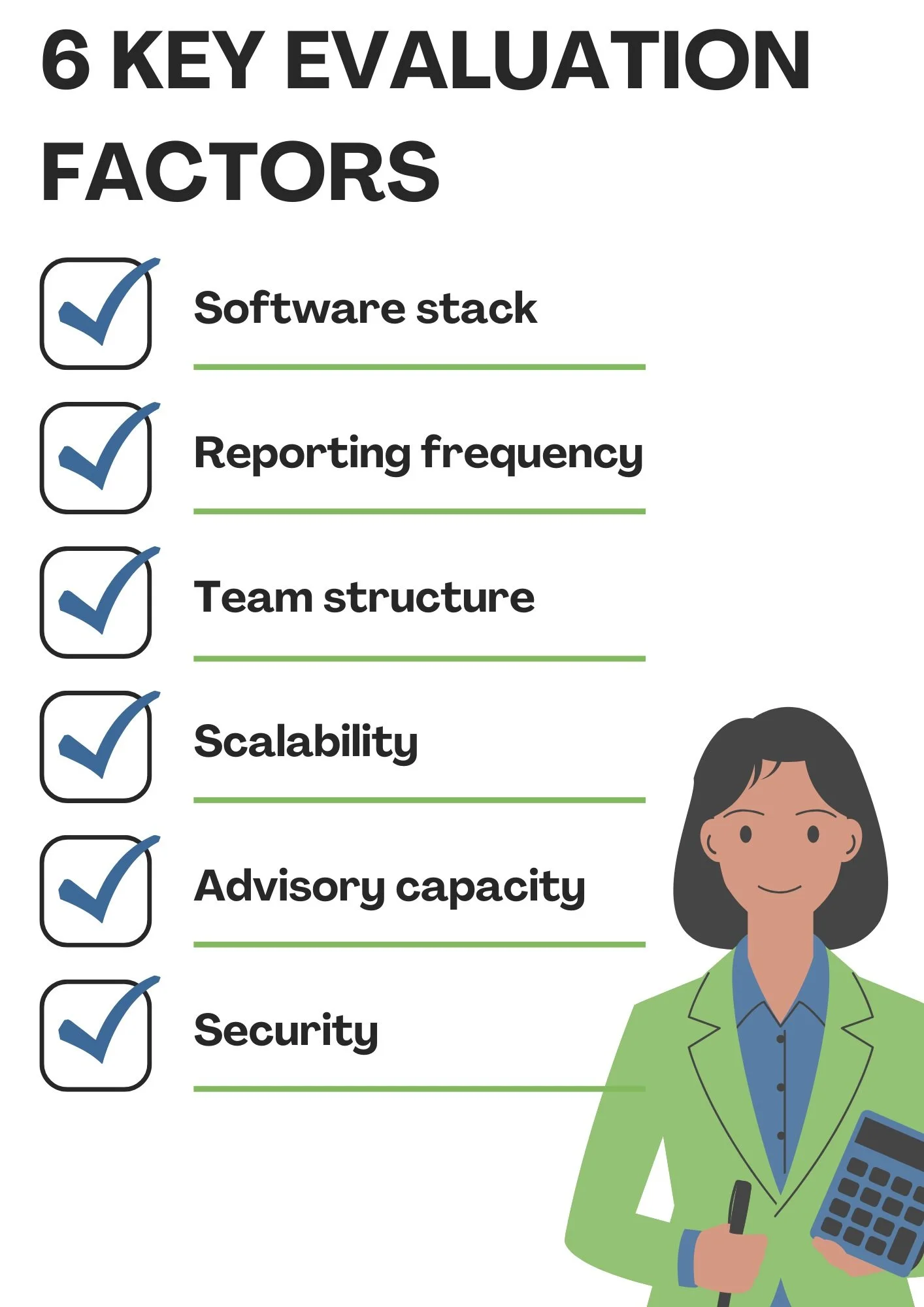
Not all services are created equal. Here's what separates the great from the merely good:
Software stack – Do they force you into their system, or work with what you already love?
Reporting frequency – Monthly is table stakes; many now offer weekly dashboards.
Team structure – Is your account handled by one overworked person or a layered team?
Scalability – Will pricing explode when you double revenue?
Advisory capacity – Can they grow with you into controller and CFO services?
Security – SOC 2 compliance, encrypted everything, insurance—the non-negotiables.
Ask for references. Look at sample reports. Trust your gut when something feels “too cheap” or overly salesy.
The Bottom Line
Denver's small businesses are thriving right now. Craft breweries, tech startups, construction companies, wellness studios, every sector is growing. But growth without clean financials is just chaos wearing a fancy suit.
The owners who are truly crushing it have one thing in common: they stopped treating bookkeeping as a necessary evil and started treating it as a strategic advantage.
Whether you choose fully virtual bookkeeping services, cloud-based automation, or a hybrid approach with local expertise, the math is clear. Professional bookkeeping saves money, reduces stress, catches problems early, and gives you the clarity to make bold moves.
Your business deserves that kind of foundation.
Ready to stop juggling receipts and start building something bigger? Exploring Denver bookkeeping services is the highest-ROI decision many owners never knew they needed to make.

Frequently Asked Questions
-
Most small businesses with under $1M in revenue pay $300–$900 per month depending on transaction volume and complexity. Startups with simple needs often land on the lower end, while businesses with payroll, inventory, or multiple entities trend higher. The key is predictable flat-rate pricing instead of hourly surprises.
-
Absolutely. Many Denver-based firms offer fully virtual delivery while maintaining local offices and expertise. You get the best of both worlds—cloud efficiency plus someone who understands Colorado rules and can meet in person when needed.
-
A professional service handles the entire transition—clean-up, historical reconciliation, and tax-ready files. Most offer “bookkeeping clean-up” packages” specifically for businesses switching from DIY or another provider. When done right, your next tax return is actually easier than the last one.