
Personal Tax Preparation: Tips, Deductions, Tools, and Common Mistakes to Avoid
Tax season rolls around every year like clockwork, and somehow it still manages to catch a lot of us off guard. With 2025 rules now in effect, inflation adjustments, a few new credits, and the usual pile of forms, getting your personal taxes done right feels more important than ever. Whether you’re a W-2 employee, a side-gig hustler, or someone who just wants to stop overpaying Uncle Sam, this guide will walk you through the smartest ways to handle personal tax preparation without losing your mind.
I’ve pulled together the best advice I’ve seen working with clients over the years (and yes, I’ve made some of these mistakes myself early on). Let’s break it down step by step so you actually enjoy finding deductions instead of dreading the whole process.
Start Early (Yes, Really)
The single biggest favor you can do for yourself is to stop waiting until March or April. I know life gets busy, but gathering your documents in January or February saves so much stress. Start with the basics:
W-2s and 1099s (they usually arrive by January 31)
Investment statements (1099-DIV, 1099-INT, 1099-B)
Records of charitable donations
Medical expenses
Student loan interest (1098-E)
Property tax statements
Create a simple folder on your computer or a physical one labeled “2025 Taxes” and drop everything in as it arrives. You’ll thank yourself later.
Organize Like a Pro

One of the easiest wins in personal tax preparation is good organization. I tell clients to separate their paperwork into five piles:
Income
Deductions (itemized or standard)
Credits
Estimated payments or withholdings
Everything else (just in case)
Even a simple spreadsheet works wonders. Track dates, amounts, and where the receipt lives. If you’re self-employed, this habit will save you thousands when it’s time to calculate quarterly estimates. Many small-business owners I work with swear by professional accounting and bookkeeping services because it keeps everything audit-ready all year long.
The Standard Deduction vs. Itemizing Decision
For 2025, the standard deduction is $15,000 for single filers, $30,000 for married filing jointly, and $22,500 for heads of household (these numbers get adjusted yearly for inflation). Most people (about 90%) take the standard deduction because it’s just easier.
But run the numbers both ways. If you had a big year for medical bills, bought a house, or live in a state with high property taxes, itemizing might beat the standard deduction by a mile. A good rule of thumb: if your potential itemized deductions exceed the standard amount by $1,000 or more, it’s worth the extra paperwork.
Deductions That Still Matter in 2025
Some old favorites remain strong:
Mortgage interest (up to $750,000 of debt)
State and local taxes (SALT) capped at $10,000
Charitable contributions (cash up to 60% of AGI, non-cash has its own rules)
Medical expenses over 7.5% of AGI
Student loan interest (up to $2,500, phaseouts apply)
Newer or often-overlooked ones include:
Energy-efficient home improvements (still alive under the Inflation Reduction Act)
Electric vehicle credit (up to $7,500 if you bought a qualifying car)
Health savings account contributions (triple tax-advantaged and easy to miss)
One question I get every year: “Can I deduct my subscriptions?” The answer is usually no for personal Netflix or gym memberships, but yes for work-related subscriptions (trade journals, software you need for your side gig, etc.). Keep good records and be reasonable. The IRS isn’t usually impressed by a $19.99/month podcast habit.
Personal Property Tax – The Silent Expense
A lot of people forget about personal property tax because it hits at different times than income tax. If you own a car, boat, RV, or business equipment in certain states, you probably pay this annually. Some counties let you deduct it on Schedule A if you itemize. Check your county assessor’s website; many now offer online payment and let you download the statement you need for your federal personal income tax return.
Tools That Actually Make Life Easier
You have more options than ever in 2025:
Free file options – If your AGI is under $79,000, you can use IRS Free File partners.
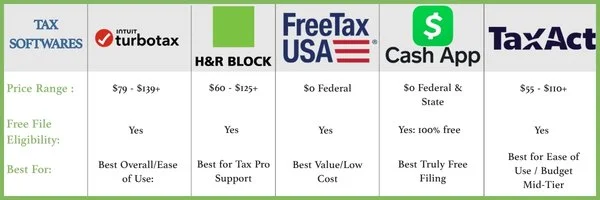
Popular paid software – TurboTax, H&R Block, TaxAct, and Cash App Taxes (still free for many situations).
Tracking apps – Expensify, Keeper, or even a simple Google Sheet with categories.
I’m a fan of scanning receipts with your phone as soon as you get them. Apps like Adobe Scan or your phone’s built-in scanner turn paper into searchable PDFs in seconds.
Common Mistakes I See Every Year
Forgetting to report side income – Even $50 from a survey site or Etsy sale gets a 1099 these days.
Missing the student loan interest deduction because you let your servicer pay automatically and never downloaded the 1098-E.
Double-dipping deductions – You can’t claim the same expense for both a business and personal itemized deduction.
Ignoring crypto transactions – The IRS now asks about digital assets on page 1 of Form 1040. Answer honestly.
Waiting until the last week and then rushing – That’s when math errors and missed deductions happen.
When to Hand It Off to a Professional

If you own rental property, exercise stock options, run a business, or just hate the whole process, consider hiring help. A good accountant usually saves you more than they cost, especially the first year when they find things you’ve missed for years.
Working with a reputable accounting agency that offers personal tax services can be a game-changer. Many now do everything virtually, so you don’t even have to leave your house. If you’re a small business owner on the side, look for someone who also provides accounting services for small business needs year-round, not just in April.
Three Smart Things to Do With Your Refund
Getting money back feels great, but it’s really just an interest-free loan you gave the government. Still, if you do get a refund, consider:
Paying down high-interest debt (credit cards first).
Maxing out your IRA or HSA contribution for 2025 (you have until April 15, 2026 to count it for 2025).
Building your emergency fund to 3–6 months of expenses.
Final Thoughts
Personal tax preparation doesn’t have to be painful. Start early, stay organized, and don’t be afraid to ask for help when you need it. The tax code changes a little every year, but the fundamentals stay the same: document everything, understand your deductions, and file accurately.
If you take nothing else away, remember this: the IRS would rather have your return be correct than on time. An extension is free and gives you until October just don’t forget to pay what you owe by April 15.
You’ve got this.
Frequently Asked Questions
-
The deadline for most individual returns is Tuesday, April 15, 2026. If you need more time, file Form 4868 for an automatic six-month extension, but any tax owed is still due April 15.
-
Yes – run both scenarios. Even being $500 over can make sense when you factor in the extra refund and the fact that some credits phase out based on AGI (itemizing can sometimes lower your AGI indirectly).
-
The 2025 dates (for 2025 income) are April 15, June 16, September 15, 2025, and January 15, 2026. Miss one and you’ll usually owe a small penalty, but paying 100% of last year’s tax (or 90% of this year’s) keeps you in the safe harbor.
Read more…